The first spring I had a garden of my own, I killed almost everything. Not dramatically. There was no freak frost, no swarm of insects descending from the sky. Just a slow decline that I watered twice a day and blamed on bad luck.
The basil went yellow, then woody. The tomato seedlings leaned sideways like they were trying to leave the yard. The zucchini, which every book promised would swallow the property, produced two sad fruits and quit by July. By August I had spent a fair amount of money on a bed of tired-looking stems.
What I learned is that first-year gardens rarely fail all at once. They fail in small daily decisions that are almost right. Here is what I got wrong, and what I do now.
I set a timer. Six thirty in the morning, ten minutes, every single day. It felt responsible. It was probably the single biggest reason my plants struggled.
Two problems. First, ten minutes with a hose only wets the top inch or so of soil. The roots sit deeper than that, so they stayed dry while I congratulated myself. Second, watering every day teaches plants to keep their roots shallow and lazy, right where the soil dries out fastest. Then on the weeks I missed a day, everything wilted.
I also watered in the evening when mornings got busy, which left the zucchini leaves wet overnight and invited powdery mildew onto them.
Push a finger into the soil up to about the second knuckle, next to the plant rather than on top of it. If it feels damp, walk away. If it feels dry, water slowly at the base until the soil is soaked a few inches down, not just darkened on the surface. Fewer waterings, deeper ones. For pots, check daily in the heat of summer, but still check rather than guess. Lift the pot — the weight tells you more than the surface does.
Mulch helped more than anything else. Two inches of straw or shredded leaves kept the soil cool and cut my watering in half. Water in the morning when you can. It gives the leaves time to dry before dark.
The seed packet said full sun, so I planted in the spot that felt brightest to me. That spot got maybe five hours of direct light, and it was broken up: a couple of hours in the morning, then shade from the neighbor's maple, then a bit more in late afternoon. Tomatoes sulked there all summer. The lettuce and herbs in the same bed did beautifully — I just didn't notice, because I was staring at the tomatoes.
Sunlight is not a feeling. It is a measurement you can take. Pick a day you're home, and check your intended spot every hour. Write down sun or shade each time. Spring is the honest season for this, because the sun angle is still climbing and a spot that looks generous in May may be shaded by June.
As a rough guide: fruiting plants like tomatoes, peppers, squash, and cucumbers want six or more hours of direct sun. Leafy greens, peas, and many herbs manage with four or five. Morning sun is more valuable than afternoon sun in hot climates, because it dries leaves early and spares them the worst of the heat.
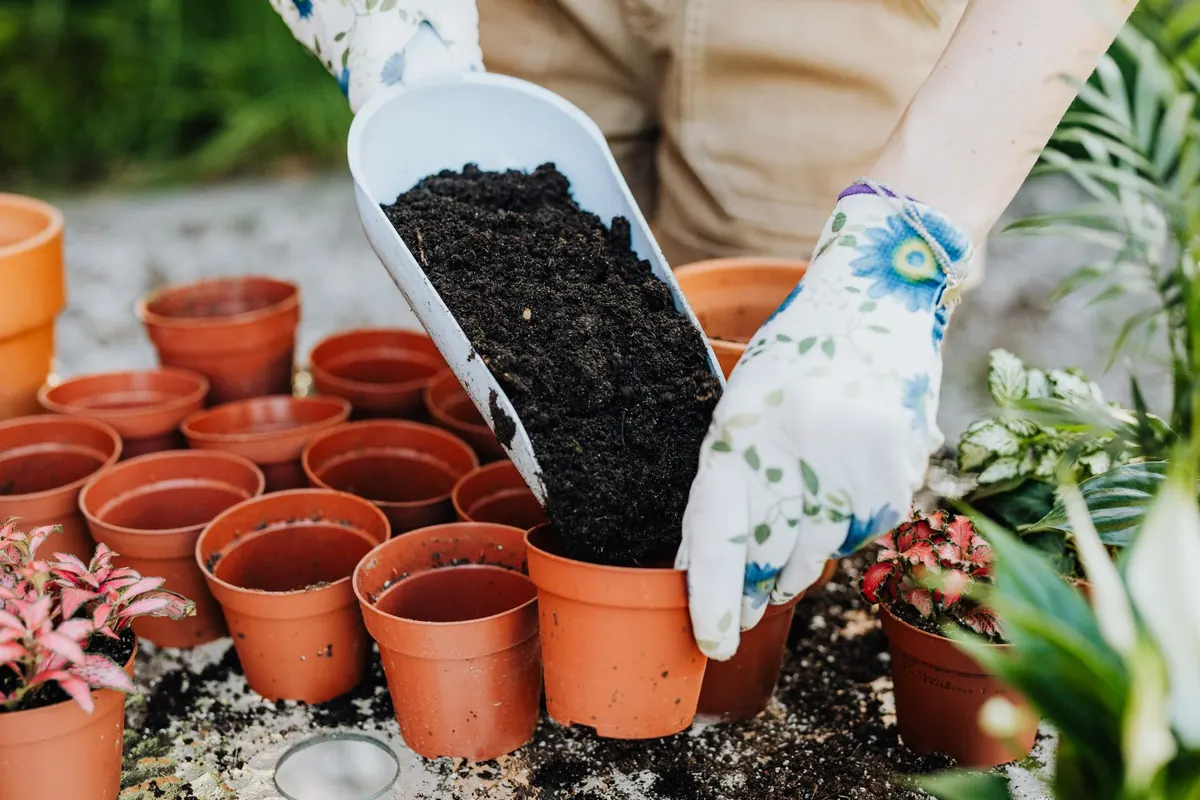
My first bed was bagged potting mix dumped into a wooden frame set on top of clay. It dried into a crust within weeks. Water ran off the sides instead of soaking in, and two inches down it was still the original hard ground. Roots hit that layer and stopped. I kept watering harder, which accomplished nothing except mud.
What I do now, before planting anything:
Adding sand to heavy clay is a common instinct and usually makes it worse. Organic matter — compost, aged leaves, composted manure — is the better lever.
The tomato tag said eighteen inches apart. The seedlings looked tiny in that big bed, so I gave them ten. By July I had a hedge. Air couldn't move between the plants, the leaves stayed wet after rain, and disease spread through the row in a week. I also planted fourteen varieties in a bed built for six, which sounds ambitious and mostly meant I paid attention to none of them.
Timing was the other half of it. I put tomatoes, basil, and zucchini in the ground during a warm week in April. Cold soil doesn't kill them; it stalls them. They sit there looking stunned, and a chilly stretch sets them back weeks. Cool-season crops — lettuce, spinach, peas, radishes, kale — shrug it off.
A plant would look off, and I'd panic. More water. A dose of fertilizer. A spray for whatever I assumed was eating it. Then it would recover, or not, and I'd have no idea which of the three things mattered. Worse, the fertilizer on already-struggling roots sometimes burned them further.
Now I change one thing and wait a week. If the leaves are yellowing from the bottom up, that usually points to water or drainage. If they're yellowing between the veins, it might be nutrients. If they're pale and stretched, it's light. Slow down and read the plant.
If you're planting your first garden in the next few weeks, the order matters more than the effort:
The honest truth is that my second spring went much better, and not because I got smarter in any dramatic way. I just stopped guessing. I checked the soil, counted the sun, and gave the plants room. You can skip straight to that part.

A first neighborhood newsletter usually fails on tone, sourcing, or distribution, not on effort. Here's how to avoid...
Thrifting for home decor works when you shop with a plan: know what your room needs, spot solid construction, set a...

A practical guide to screens, sound, snacks, seating, and weather backups for an easy fall movie night in your backyard.


Bobby's take on news, life, and more..
