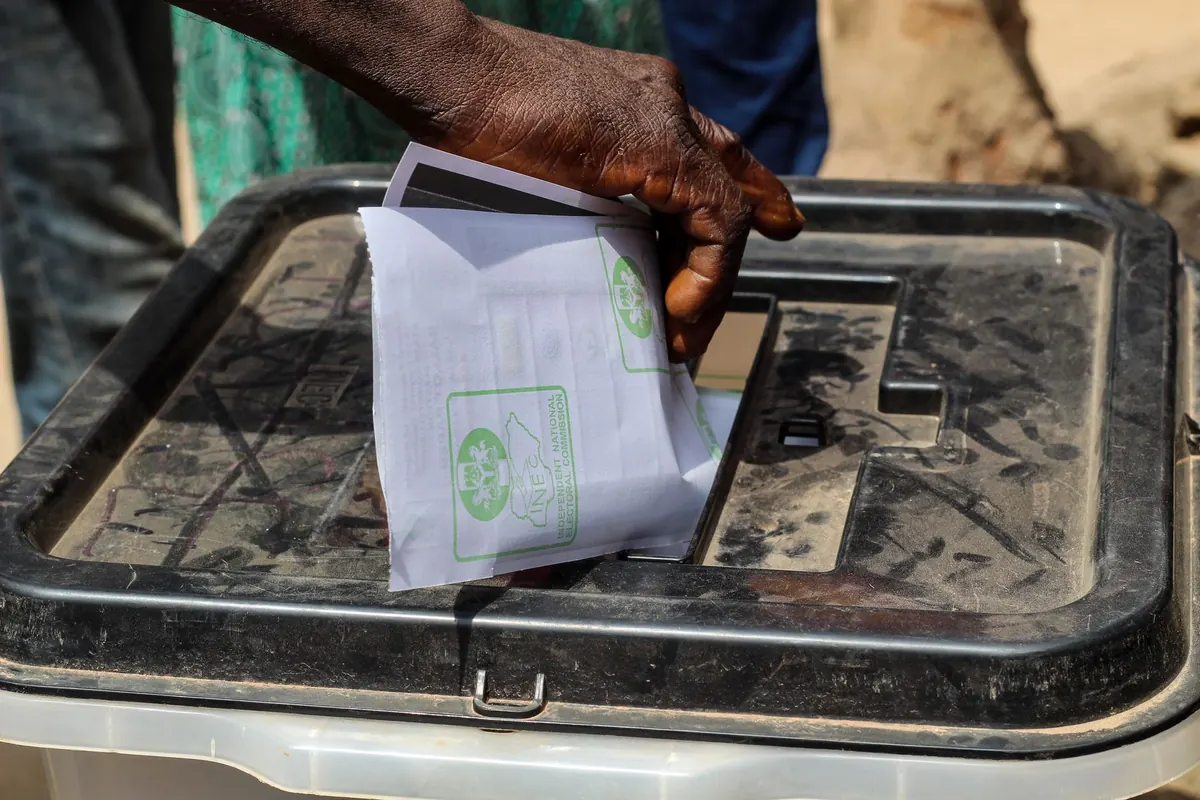
Most people can name the President. Far fewer can name their city council member. That gap has real consequences. The decisions made in rooms with a dozen folding chairs and a mediocre microphone reach into your life every morning: the condition of the road you drive, whether the park near you gets a new playground, how your kid's school handles a struggling reader, and what you pay in local taxes.
National politics gets the cameras. Local politics gets the potholes. Here's how the smaller stuff actually works, and how to use it.
Your city council, or board of supervisors, or town select board, sets the rules for physical life in your area. Zoning decides whether a four-story apartment building can go up next to you or whether a developer has to include parking. Public works budgets decide which streets get repaved this year and which ones wait another winter. Council members vote on speed limits, sidewalk funding, short-term rental rules, noise ordinances, and whether the library stays open on Saturdays.
Here's the part that surprises people: a single meeting can change your commute for a decade. A rezoning vote can add thousands of residents to a corridor that currently has one lane in each direction. A decision to defer a repaving project can mean three more years of suspension-rattling on the street you take to work.
Council meetings are also where you learn things nobody sends you a letter about. Many cities post agendas online a few days ahead. Skim them. You do not need to read all 200 pages of a budget packet. Read the one-page summary and the list of action items.
Even if you don't have children in school, school board choices shape your community and your property taxes. Boards set the district budget, hire and evaluate the superintendent, approve curriculum, decide school start times, and handle boundary lines that determine which building a child attends.
Those boundary decisions are not abstract. When a district redraws attendance zones, families can be reassigned to a school two miles farther away, bus routes change, and after-school logistics get rebuilt. Start times matter too: a shift of 45 minutes affects working parents, childcare, and teenagers' sleep.
School boards also handle the practical stuff that rarely makes news: special education staffing, discipline policy, cell phone rules, and how the district responds when a building needs a new roof. Bond measures for construction often go to voters, which is why the board's long-range facilities plan is worth a look even if your kids are grown.
Local ballots are often longer than the presidential race at the top. Down the page you'll find bond issues, millage or levy questions, charter amendments, sales tax proposals, and sometimes citizen initiatives on things like rent rules or ranked-choice voting.
These measures are usually written in dense legal language, but the core question is simple: does this raise or redirect money, and for what? A school bond typically authorizes borrowing for construction, repaid over decades through property taxes. A levy renewal extends an existing tax rather than adding a new one — a distinction that matters a lot at the kitchen table.
Read the ballot language carefully, then read the official voter pamphlet if your area provides one. It usually includes a plain-language summary, an estimate of the cost to a typical homeowner, and arguments for and against. Those arguments are written by campaigns, so treat them as advocacy, not neutral analysis, but the cost estimates and the list of what the money funds are worth your time.
If you only do one thing before a local election, read the ballot measures from bottom to top. The last items are often the ones that cost the most and get the fewest votes.
Local elections often draw a small slice of eligible voters. That has a strange effect: your single vote carries far more weight than it does in a national race, and a motivated group of a few dozen neighbors can genuinely influence an outcome. It also means the people who do show up — often homeowners with a specific grievance, or organized groups with a clear interest — shape policy by default.
This is not a partisan point. It's arithmetic. When few people participate, the preferences of those who participate become the result. If you care about sidewalks, library hours, or how your school district spends money, the cheapest way to have influence is to vote in the elections most people ignore.
Trace one ordinary Tuesday and you'll find local decisions everywhere. The bus that arrives on time depends on a transit authority board. The water from your tap depends on a utility commission and a treatment plant upgrade someone approved years ago. The crosswalk your kid uses depends on a traffic study and a public works crew. The noise from a nearby construction site depends on an ordinance and whether anyone enforces it.
None of that runs on national politics. It runs on budgets, permits, and votes taken at hours when most of us are making dinner.
You don't need to become a local government expert. You need about 30 minutes a month and a small amount of curiosity.
Local government is not glamorous, and most of it is genuinely boring. That's the point. Boring decisions, made consistently, are what keep the water running and the streets passable. The least boring thing you can do is show up once in a while and pay attention.
A note on taxes and legal matters: property tax rules, bond structures, and voting requirements vary widely by state and locality. For anything with significant financial consequences, check your county election office or a qualified professional rather than relying on general guidance.
Photo: Fatima Yusuf / Pexels
A first neighborhood newsletter usually fails on tone, sourcing, or distribution, not on effort. Here's how to avoid...
Thrifting for home decor works when you shop with a plan: know what your room needs, spot solid construction, set a...

A practical guide to screens, sound, snacks, seating, and weather backups for an easy fall movie night in your backyard.


Bobby's take on news, life, and more..
